
Our First Visit as Owners: Four Days at Tanat Valley Light Railway
- Pip Jones

- Dec 26, 2025
- 4 min read
Updated: Dec 30, 2025

This weekend marked a major milestone for Heritage Traction Preservation, as we made our first official visit since taking ownership of our Class 143 units. From Friday through to Monday, time was spent on site at the Tanat Valley Light Railway, getting properly hands-on with the fleet and beginning the real preservation work in earnest.
The visit was very much a working one. With four full days available, the focus was on making the most of every hour, carrying out extensive cleaning, detailed inspections, and addressing a number of issues that had developed over time.
Extensive Cleaning and Detailing
A significant portion of the weekend was dedicated to deep cleaning and detailing, both internally and externally. Years of use and storage inevitably take their toll, and bringing the unit up to a standard we are proud of was a key priority.
Internally, this meant thorough cleaning of passenger areas, cabs, and compartments, removing built-up grime and restoring the general appearance of the unit. Attention was paid to areas often overlooked, ensuring that the vehicle not only looks better but is also easier to maintain going forward.
Externally, cleaning and tidying work helped transform the overall presentation of the unit. While cosmetic work can seem minor, it plays a huge role in preservation, allowing defects to be identified more easily and helping the unit better reflect its working life.
Fault Finding and Repairs
Alongside cleaning, the weekend allowed time to address several issues that the Pacer had developed. Being on site for an extended period meant problems could be properly investigated rather than rushed. Minor faults were identified, assessed, and rectified where possible, helping to improve the unit’s overall condition and reliability.
Equally important was documenting what still needs attention. Not every issue can be resolved in a single visit, but having a clear understanding of priorities and future work is invaluable. This visit gave us exactly that foundation.

A Milestone for the Project
More than anything, this trip represented the real start of our journey as owners and custodians of these vehicles. Seeing the units up close, spending long days working on them, and making tangible progress reinforced why Heritage Traction Preservation exists in the first place.
We are extremely grateful to everyone at the Tanat Valley Light Railway for their continued support and cooperation, and to all those who have offered advice, encouragement, and help behind the scenes. This weekend would not have been as productive without that support.
This is only the first of many visits, and there is still a great deal of work ahead. However, the progress made between Friday and Monday has set a strong baseline for the future.
Extensive Interior & Exterior Deep Cleaning
One of the most demanding but rewarding parts of the weekend was tackling extensive mould, moss, and ingrained dirt across both the interior and exterior of the unit. Having been stored for a prolonged period, the effects of damp, condensation, and the natural environment were clearly visible in a number of areas.
Inside the cab and saloon spaces, heavy mould growth and staining had developed on walls, floors, ceiling panels, light fittings, and around vents and fixtures. These areas required careful, methodical cleaning rather than a quick surface wipe. Panels, cab furniture, and hard-to-reach corners were thoroughly scrubbed, treated, and cleaned back to a far more presentable condition. The transformation in the driving cab alone was significant, turning a space that had clearly suffered from long-term moisture into one that is now clean, usable, and far more representative of its operational past.
Equally important was the exterior work. Moss, algae, and general environmental build-up had taken hold across bodyside panels, ends, and around detailing. A full exterior wash and deep clean was carried out, cutting through layers of grime and biological growth that had accumulated over time. This not only dramatically improved the appearance of the unit, but also allows the bodyshell and livery to be properly inspected going forward.
Beyond aesthetics, this work is a vital part of preservation. Removing mould and moss helps prevent further deterioration, protects materials, and creates a healthier environment for future work inside the vehicle. It also provides a clean baseline from which future restoration, repairs, and cosmetic improvements can be planned properly.
While there is still more to do, the progress made over the weekend was substantial. Seeing areas brought back from a heavily neglected state to something clean and controlled was a real morale boost, and a clear reminder of why this work matters.
Before

After
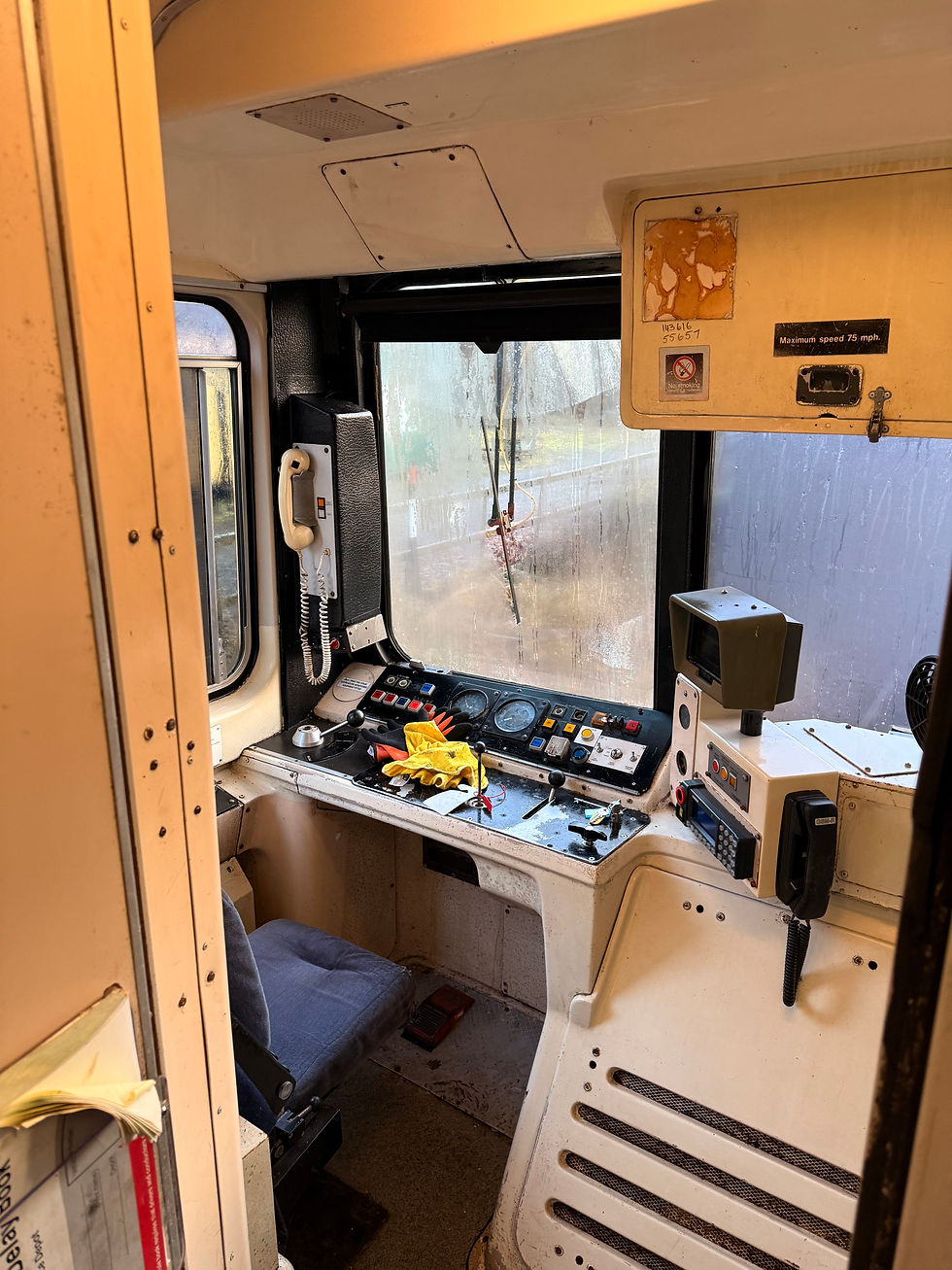
The Great Divide!
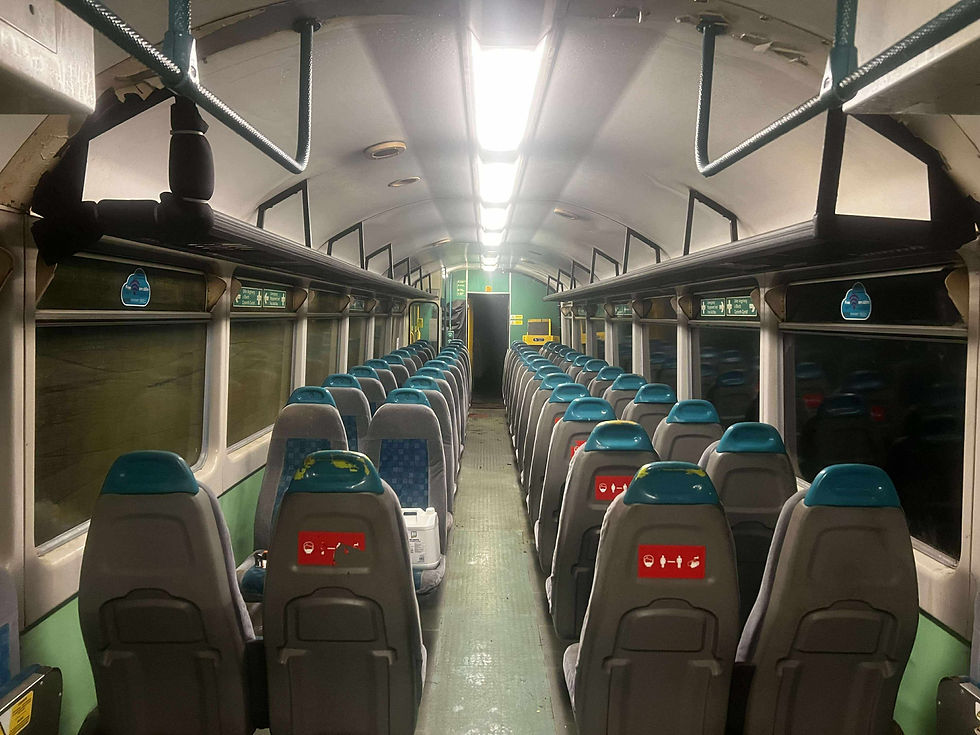
Tom doing some manual work..

This took too long..

Just before we left..

A view to top it all off..

Thank you for taking the time to read this blog update.
We really appreciate everyone who has followed our progress so far and shown interest in the work being carried out. There is plenty more to come, and we’ll be sure to keep you updated as soon as we have further progress to share.
Pip Jones
Founder & Chair Trustee


Comments